5 Things You Should Know About the Northern Lights
Over our many years of traveling, we have made four attempts to see the northern lights: once in Iceland and thrice in Alaska. We have learned many interesting facts about this incredible natural phenomenon, so we wanted to share some of them with you!
1. Predicting the northern lights is very difficult.
Scientists have learned many things about the northern lights over the years; however, despite having improved technology and expanded knowledge, predicting the northern lights over the long term remains difficult. You see, strong auroras occur during solar storms, and one of the main causes of these storms is coronal mass ejections. These ejections are forecasted 15 days in advance, but their strength and shape can vary once they get closer to Earth.
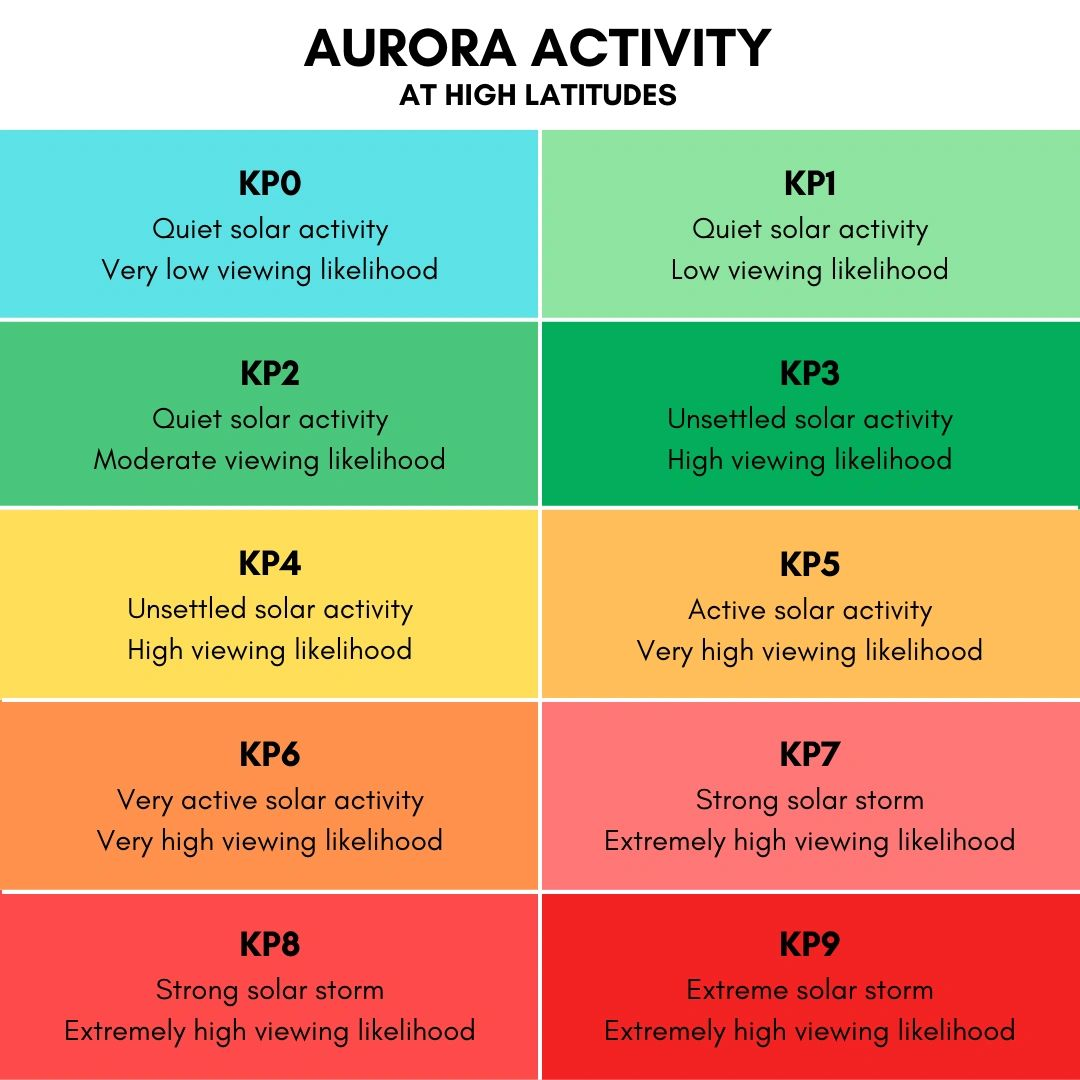
To predict solar activity, forecasters and aurora seekers use the KP index. A KP level of 0 means very minimal activity, while a KP level of 9 indicates an extreme storm (sometimes visible in lower latitudes like California, France, and even northern Spain). This being said, KP index forecasts should be taken with a grain of salt. Strong auroras have been seen when KP indexes indicated lower likelihoods. For example, while in Alaska in January 2023, we witnessed a large solar storm and incredible aurora displays despite the forecast only showing a KP level of 3.
2. Weather has a big impact on viewing probability.
The northern lights occur high in the atmosphere, usually above GPS satellites, spy planes, and even the ozone layer. This means that while they are unaffected by the weather occurring lower in the atmosphere, they can often be blocked from view by storms and clouds. On two of our aurora sighting attempts, inclement weather stopped any chance of seeing the northern lights.
All that being said, you can plan your aurora hunting in months of the year when clear skies are more common. For example, the northern lights can be seen in Fairbanks, Alaska from about August 21 to April 21; however, the clear skies of January, February, and March lend to greater viewing probability.
3. Darkness is key.
When Paul Simon wrote the famous line, "Hello darkness, my old friend," I don't think he was talking about the northern lights; however, when searching for the northern lights, darkness is a welcome friend. Because the aurora borealis is a luminous glow, other light sources can compete with them and even drown them out.
Make sure to visit the auroral oval during months with long nights and short days as the optimal viewing window is from 8 PM to 3 AM. When choosing a location to view the northern lights, choose somewhere far from any city lights with minimal light pollution. Ensure that exterior lights are turned off, and any interior light sources are blocked from view. Bring a tripod to steady your camera and ensure you have either a long-exposure or astrophotography mode on your camera.
4. There are actually different types of aurora.
The aurora borealis can take many shapes and sizes. Scientists have divided these auroral forms into broad categories based on activity level as well as the viewer's perspective.
Homogenous arc
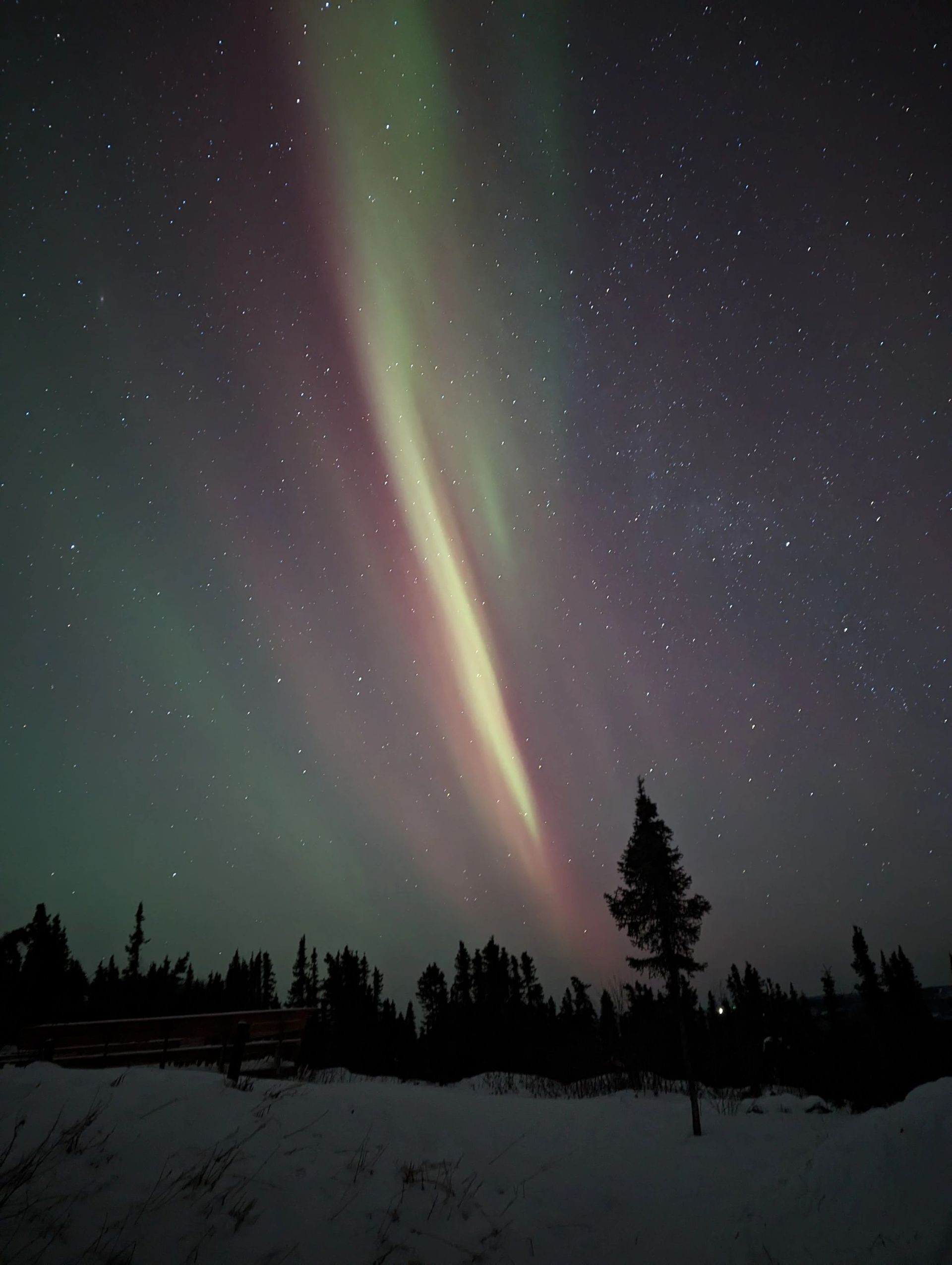
At its least active, the auroral curtain forms diffused, glowing streaks hanging quietly in the sky. This form has no distinct structure.
Rayed arc
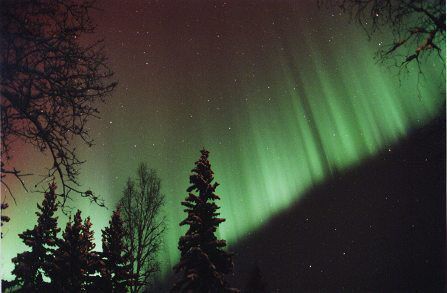
When the aurora becomes slightly more active, vertical stripes or striations, called rays, form. These are actually fine pleats in the auroral curtain.
Rising vapor column
The auroral curtain sometimes appears to touch a distant mountain top or even rise like smoke. This illusion occurs because you are seeing a several-hundred-mile-long aurora near the horizon where perspective gives the illusion that it is touching the ground.
Corona
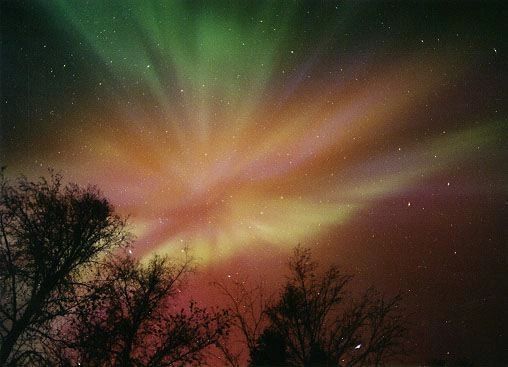
The aurora may appear as rays shooting out in all directions from a single point in the sky. This dramatic form occurs when you are directly beneath the swirls and folds of an active curtain. The rays are actually hundreds of miles long and perspective makes them appear to converge.
5. The northern lights play an important part in human history.
Records from ancient civilizations show that different groups had different theories about what the northern lights actually were. In the 4th century BCE, Aristotle likened them to flames of burning gas. Norwegians theorized in the thirteenth century CE that the lights were reflections from Earth's oceans. Across the world in Alaska, some Inuit groups saw the lights as the spirits of the animals they had hunted, including beluga whales, seals, salmon, and deer. In Japanese culture, the aurora is associated with good luck and fertility!
Want to experience the northern lights for yourself?
You're in luck! We will be setting off on our fifth Search for the Northern Lights in Fairbanks, Alaska in January of 2024. We've chosen our favorite accommodations, the best excursions, and the tastiest local eateries. You'll have five opportunities to see the northern lights for yourself over the course of 7 days. Everything is included, so all you have to do is arrive in Fairbanks and the rest is taken care of. Click here to learn more!