What to Know Before Visiting Japan
Planning a trip to Japan but unsure where to start? Look no further! With our extensive travel experience spanning over 60 countries, we confidently rank Japan among the most captivating and distinctive places we've ever visited.
Our previous journeys allowed us to deeply immerse ourselves in Japan's rich culture, indulge in its delectable cuisine, and explore its many breathtaking sights and attractions. In this blog post, we're excited to share seven essential insights for anyone planning a visit to Japan, highlighting some of the most memorable aspects of our adventure.
The Cherry Blossoms
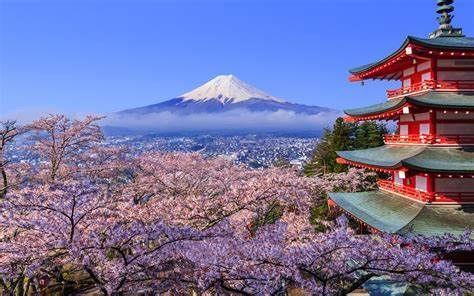
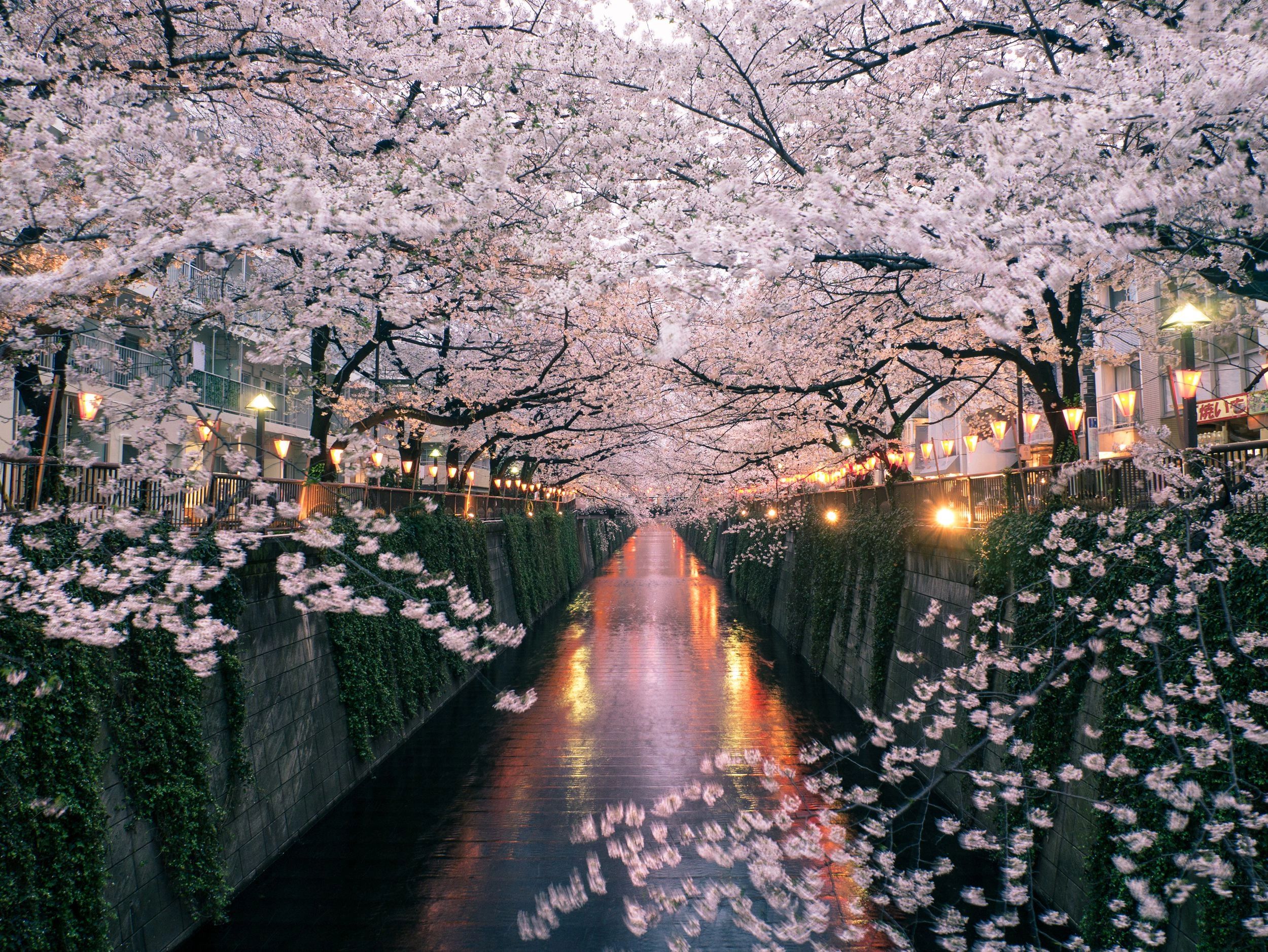
Visiting Japan for the cherry blossoms, known as Sakura in Japanese, is a truly magical experience that captivates travelers from around the world.
The cherry blossom season is short-lived, typically lasting only a few weeks from late March to early April. This adds to the allure and makes it a must-see event for visitors.
You will see cherry blossoms create a breathtaking display of delicate pink and white flowers that blanket parks, gardens, and streets across Japan. The sight of these blossoms against traditional temples, modern cityscapes or serene countryside landscapes is simply mesmerizing.
It's an experience that promises unforgettable memories and a deeper appreciation for the country's rich cultural heritage.
Sightseeing Wonders
Japan is a treasure trove of historical and cultural wonders, each city offering a unique window into the country's rich heritage and modern vibrancy.
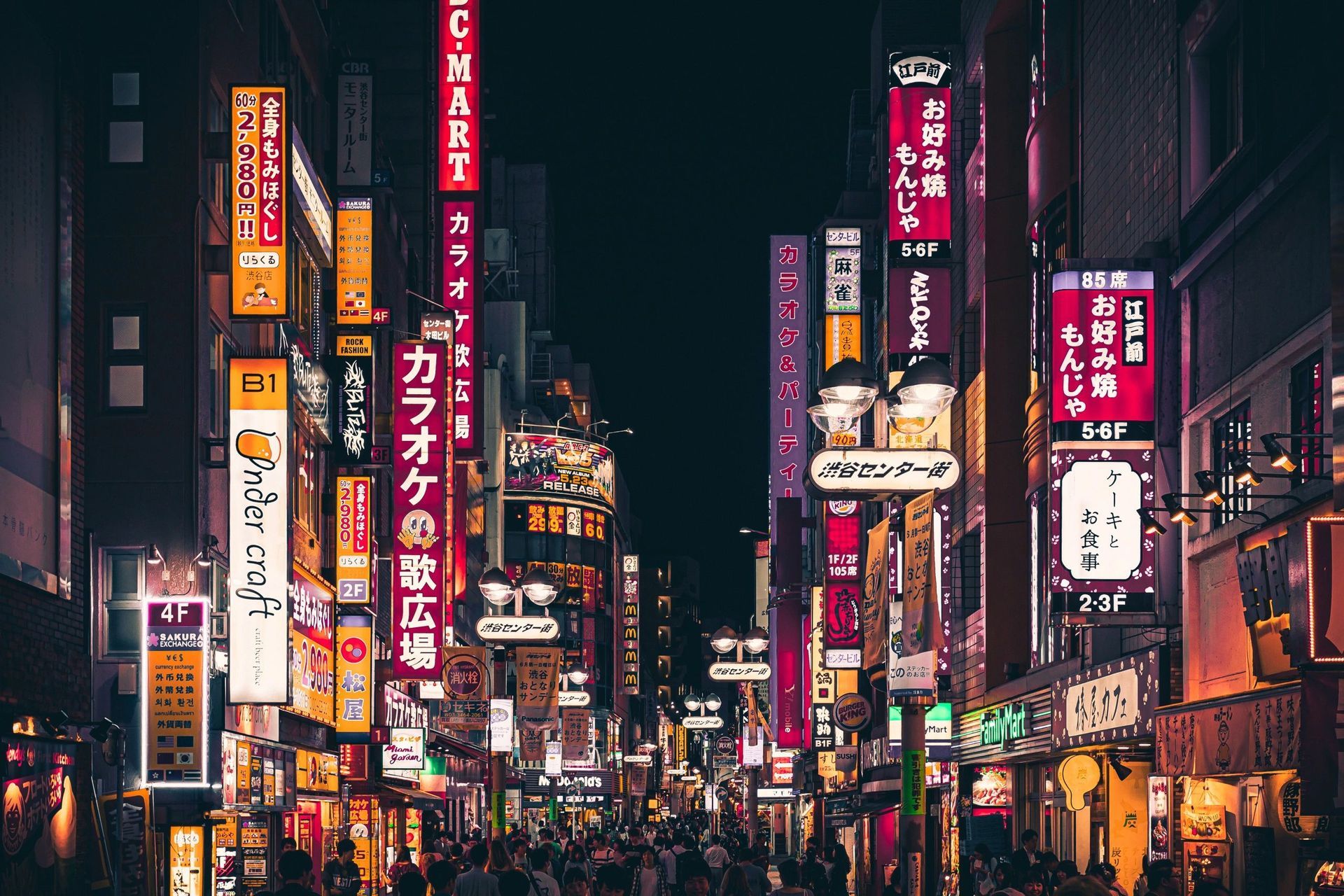
In Tokyo, Japan's bustling capital, iconic landmarks like Tokyo Tower stand tall amidst the skyline, offering panoramic views of the cityscape and Mt. Fuji on clear days. Nearby, Shibuya Crossing mesmerizes with its sea of pedestrians crisscrossing at one of the busiest intersections in the world.
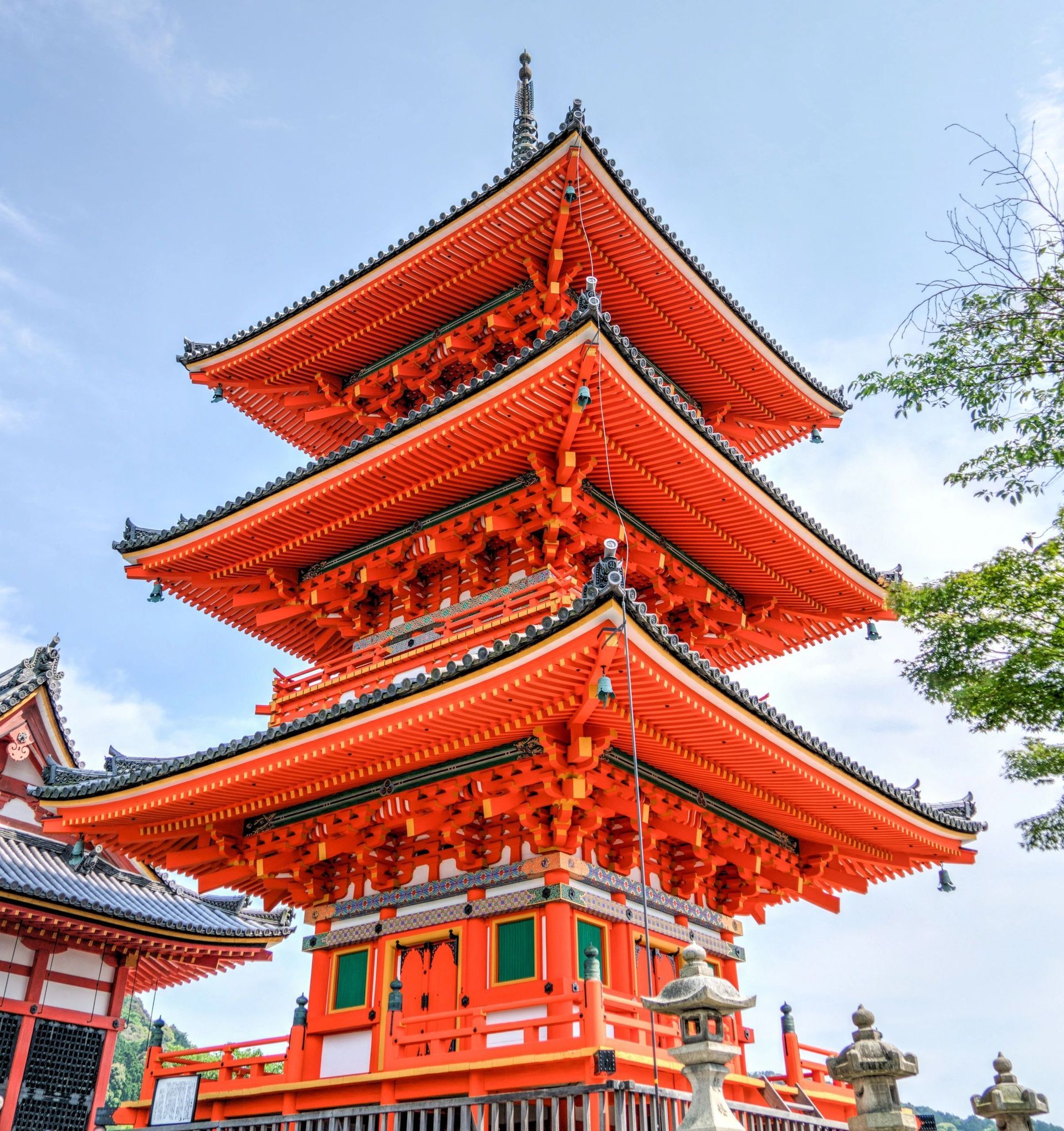
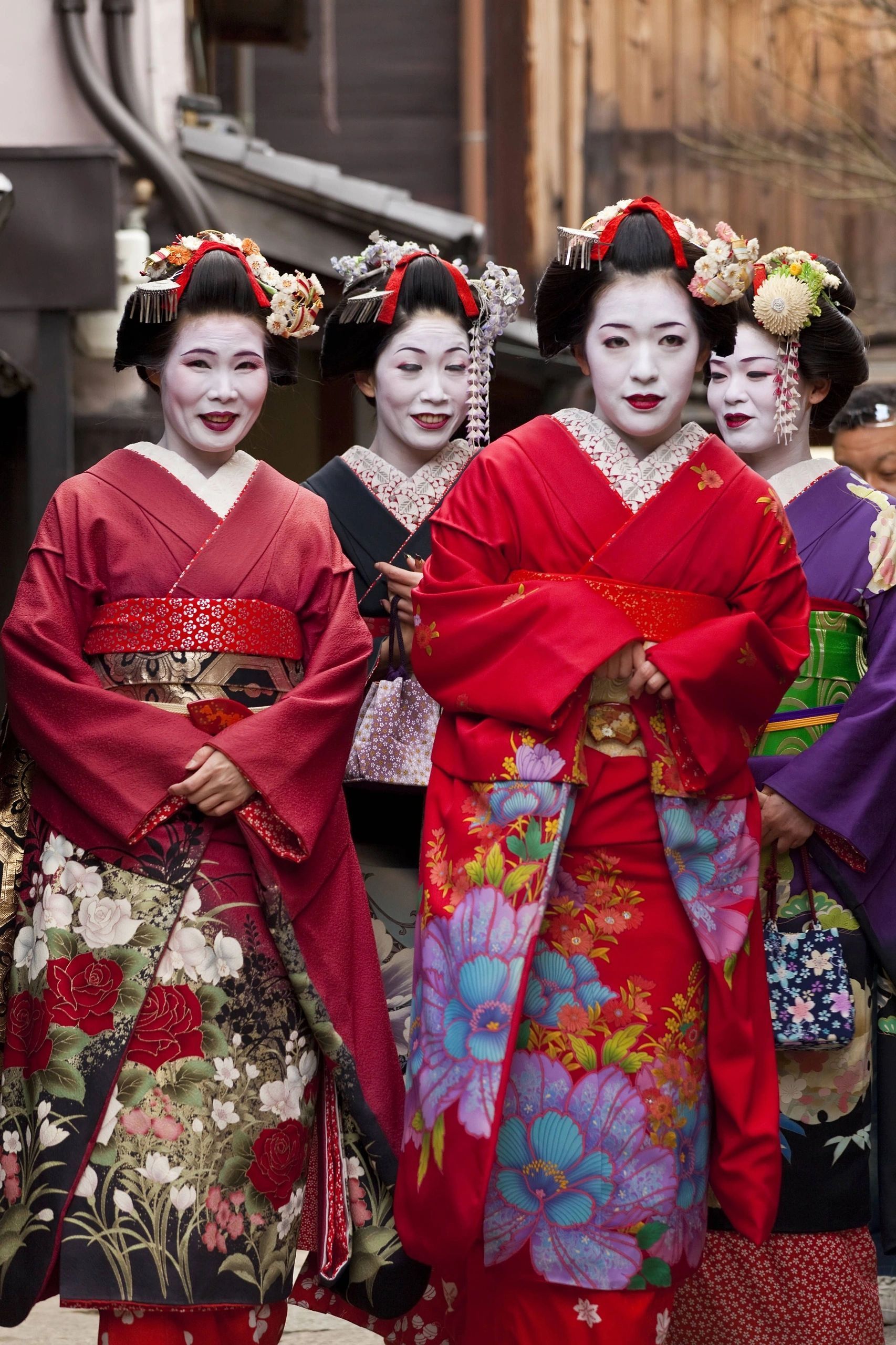
Kyoto, on the other hand, has serene temples and traditional districts. Strolling through Gion, Kyoto's historic geisha district, transports visitors to a bygone era with its preserved machiya townhouses and glimpses of geiko (geisha) gracefully gliding through the streets.
Meanwhile, Osaka offers a contrasting allure with its bold modern architecture and bustling street food scenes. The Umeda Sky Building and Abeno Harukas showcase Osaka's skyline. Down at street level, Dotonbori dazzles with its neon lights and variety of food stalls offering local specialties.
Delicious Cuisine
Japanese cuisine is a testament to culinary artistry, renowned for its diverse flavors and meticulous preparation techniques. Each region of Japan offers its own culinary delights, ensuring every meal is an exploration of taste and tradition.
In Tokyo, dining experiences range from savory bowls of ramen in cozy noodle shops to elegant kaiseki meals that showcase seasonal ingredients in exquisite presentations.
Osaka, known as the "Kitchen of Japan," is a paradise for food lovers. Here, street food reigns supreme in places like Dotonbori, where vendors grill skewers of yakitori over charcoal and serve up piping hot takoyaki, crispy octopus balls drizzled with savory sauces.
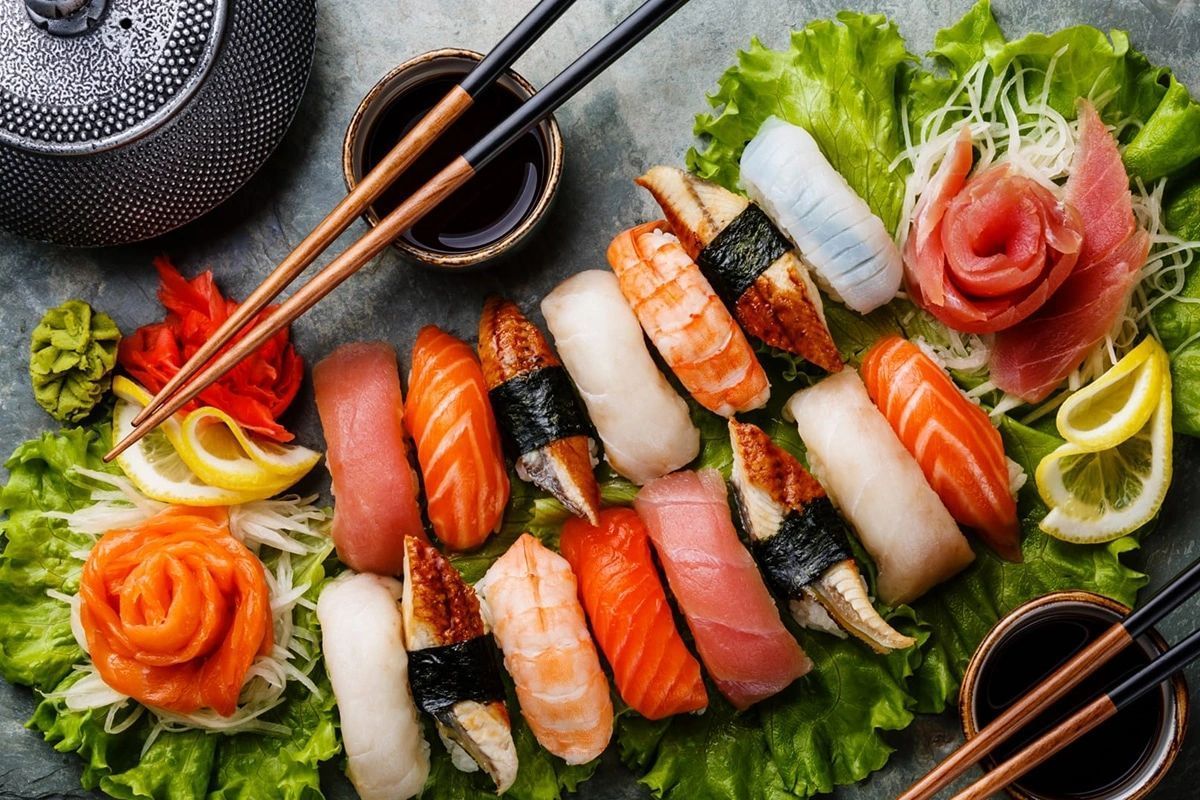
Fresh seafood lovers can indulge in Osaka's vibrant fish markets, where sushi and sashimi are prepared with precision and served alongside local delicacies like kushikatsu, deep-fried skewers of meat and vegetables.
No discussion of Japanese cuisine is complete without mentioning sushi, a quintessential dish that epitomizes the country's dedication to quality and craftsmanship. In Japan, sushi is an art form, with chefs selecting the freshest seafood and mastering the delicate balance of flavors in every bite.
Rich Culture & Customs
Japan's culture is characterized by a profound respect for order and harmony, evident in daily interactions and public spaces. From the meticulous cleanliness to the courteous demeanor of its people, we consistently felt welcomed and secure throughout our journey.
One of the things that impressed us most about Japan's culture is the emphasis on cleanliness and quietness. Littering is virtually non-existent, and people speak in hushed tones in public spaces. This creates a calm and peaceful atmosphere that is unique to Japan.
Money & Tipping Etiquette
In Japan, cash is king, and tipping is not customary, which is a refreshing change for most travelers. Transactions typically include all necessary fees, making budgeting straightforward. For convenience, carrying yen for smaller purchases is advisable, though credit cards are widely accepted in major establishments.
Pro tip: In July 2020, Japan instituted a mandatory charge for plastic bags at grocery and convenience stores. Most cashiers will begin the transaction by asking if you'd like a plastic bag, so respond "hai" if you'd like one or "iie" if you don't.
The Language
While English is spoken in tourist hubs, Japanese remains predominant outside these areas. Overcoming language barriers is manageable with basic phrases or translation apps. Locals appreciate efforts to communicate in their language, enhancing your cultural experience.
Pro tip: Take time to learn a few phrases in Japanese that you can use daily. For example, after finishing a meal in Japan (especially at a ramen or sushi bar), tell the chef or restaurant staff, "gochisousama deshita," which means "thank you for the meal." It's bound to make them smile.
Go in 2025!
Now that you know more about traveling to Japan, it's time to check your calendar and go in 2025. Check out the details of our trip (April 1-8) HERE. We promise a fulfilling adventure, while revealing a culture deeply rooted in respect and attention to detail. With awareness of local customs and practical tips, navigating this captivating country becomes effortless, ensuring a journey filled with unforgettable moments.