What to Expect: Trekking in Nepal
Are you thinking about planning a once-in-a-lifetime trip to trek the magnificent mountains of Nepal? Nepal is a fun and exciting place to visit. It's unique, inexpensive, and full of friendly people. Additionally, Nepal offers some of the most beautiful and challenging trekking in the world. Below are some things to plan on and be aware of heading into your next big adventure!
Kathmandu, Nepal
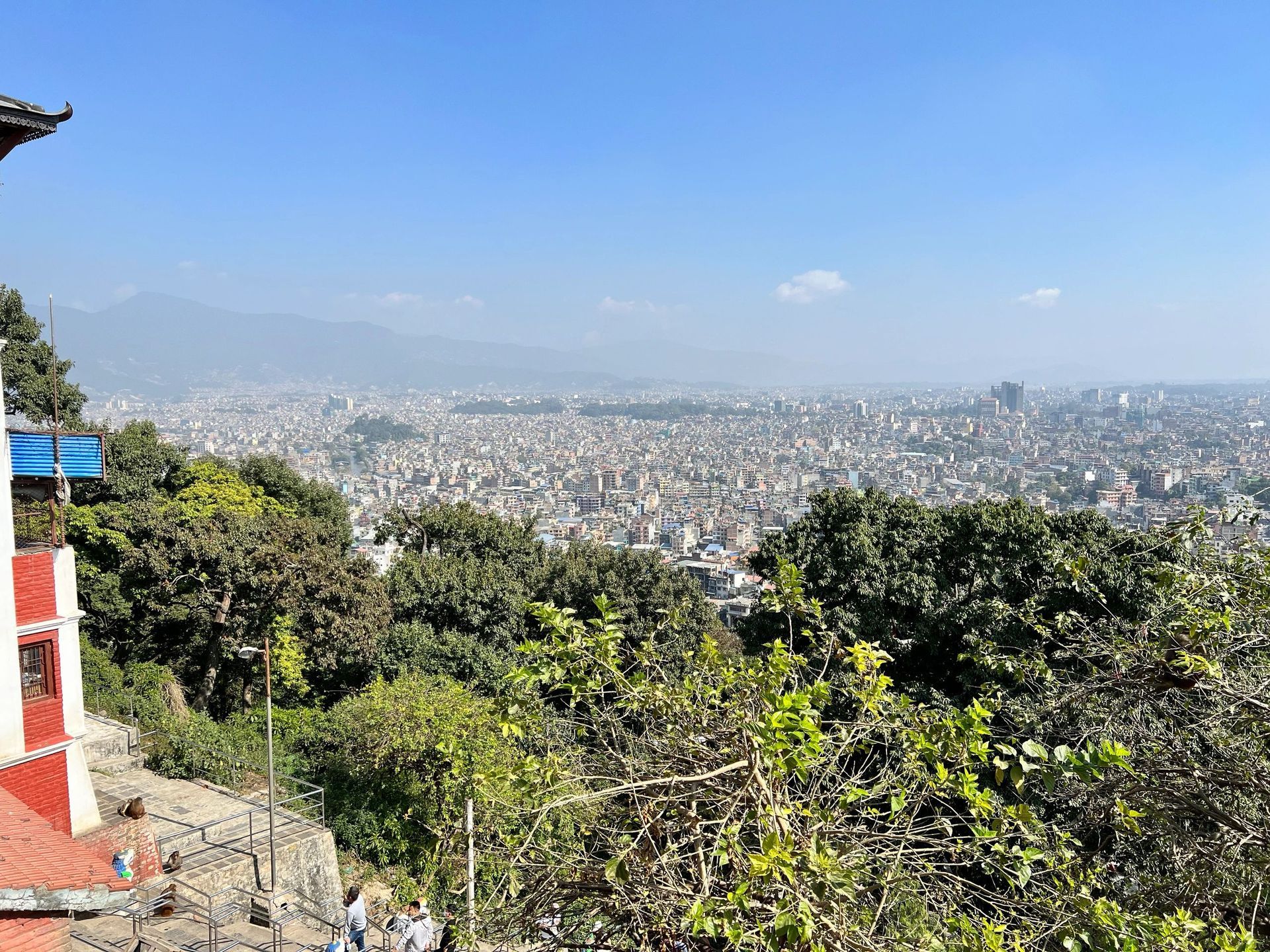
There are many convenient flight options and hotels when you travel to Kathmandu. We'd recommend finding a hotel in Thamel, a commercial neighborhood in Kathmandu. There are many restaurant options here, shops to pick up any last-minute trekking gear, or gifts for loved ones back home.
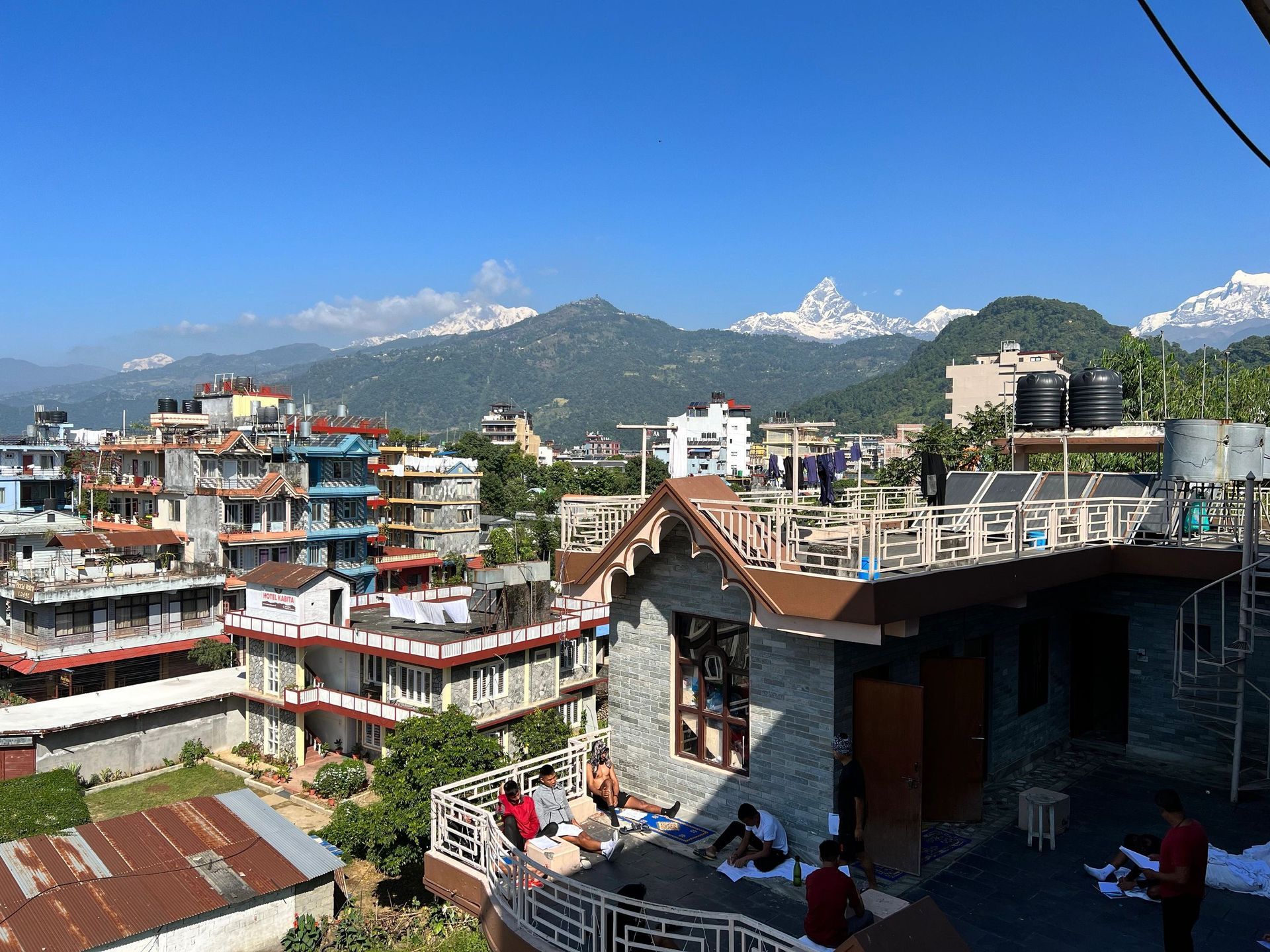
Most trekking companies will help you with transportation once you arrive in Nepal as part of their standard offering. The roads here are narrow, and the traffic is chaotic. Don't plan to rent a car. The roads are in bad shape. They are full of potholes when they're paved, and getting around is bumpy and uncomfortable. Be aware that if your trek departs from Pokhara, it's about a 7-hour, bumpy bus ride from Kathmandu. If you have the option for a flight, something to consider.
Mount Everest
The tallest mountain in the world attracts adventurers from around the world. For serious hikers, several different trekking companies can take you from Kathmandu to Everest base camp in 10-12 days.
Alternatively, there are hour-long flights from Kathmandu every morning, where you can view the beautiful peaks from the comfort of an airplane. Since we chose a shorter trek, this was our next best opportunity to see this beautiful landmark. Unfortunately, while the flights were convenient and inexpensive, getting a ground-level perspective was impossible, and the peak wasn't as pronounced as we expected. Still worth seeing, but if you take the flight, set your expectations accordingly.
What to Bring
The weather throughout Nepal can be dramatic and unpredictable. While it's often warm in Kathmandu and Pokhara, many treks will take you to the mountains, where it will be chilly, especially at night and in the early morning. You'll want your standard trekking gear, including comfortable hiking shoes/boots, hiking socks, a hydration pack, a hat, sunglasses, and sunblock. Our first day was hot before quickly cooling off on days 2 and 3. Don't forget a headlamp, and winter hat, and warm gloves. The hiking snacks we found in the town were underwhelming, so throwing a few granola bars in your pack might not hurt before leaving home.
Finally, leave your trekking poles at home, as these can quickly and inexpensively be bought in either Kathmandu or Pokhara. We paid about $6 for new poles and didn't have to worry about them getting bent or damaged in transit or taking up space in our suitcases.
On the Trail
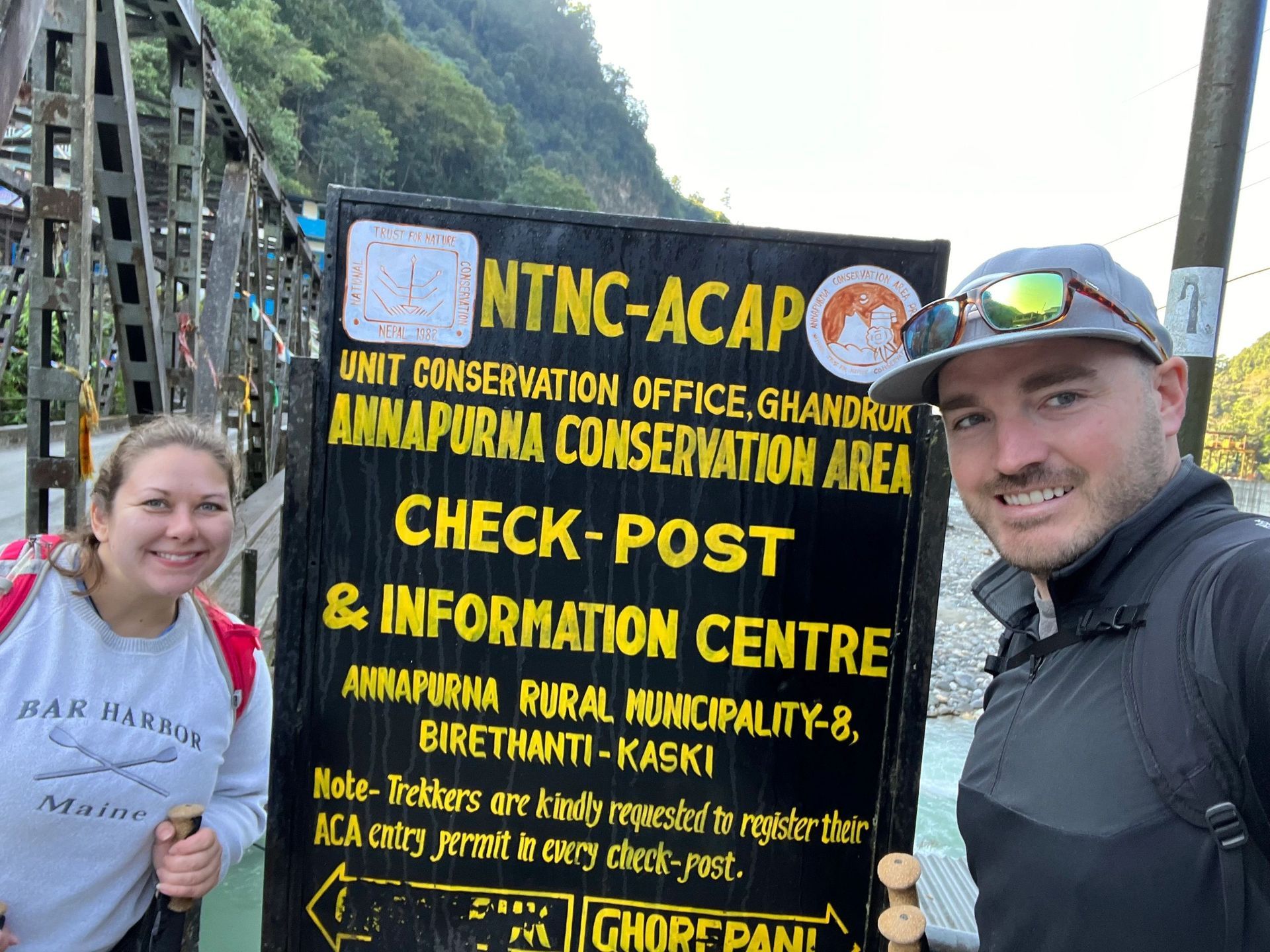
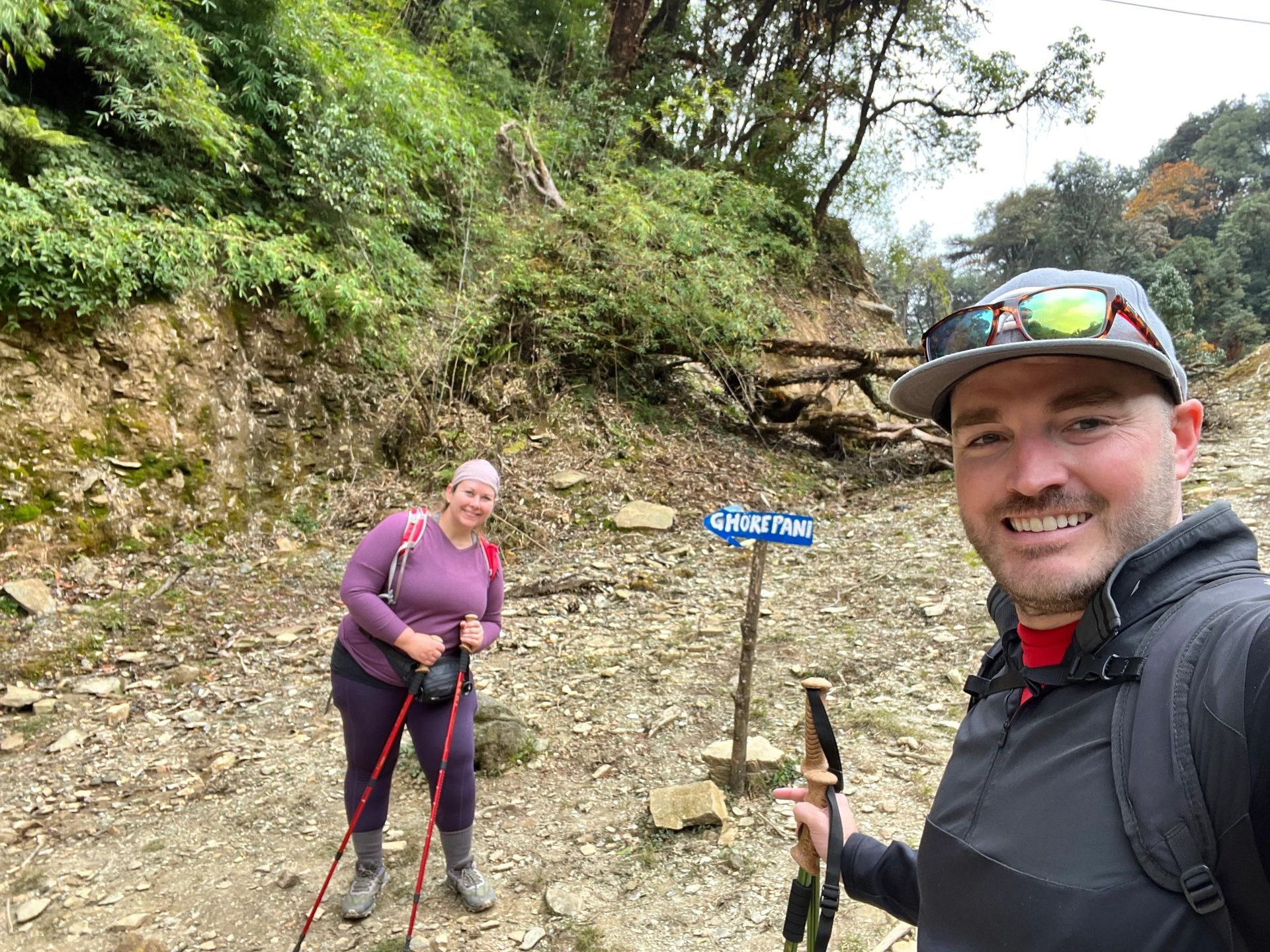
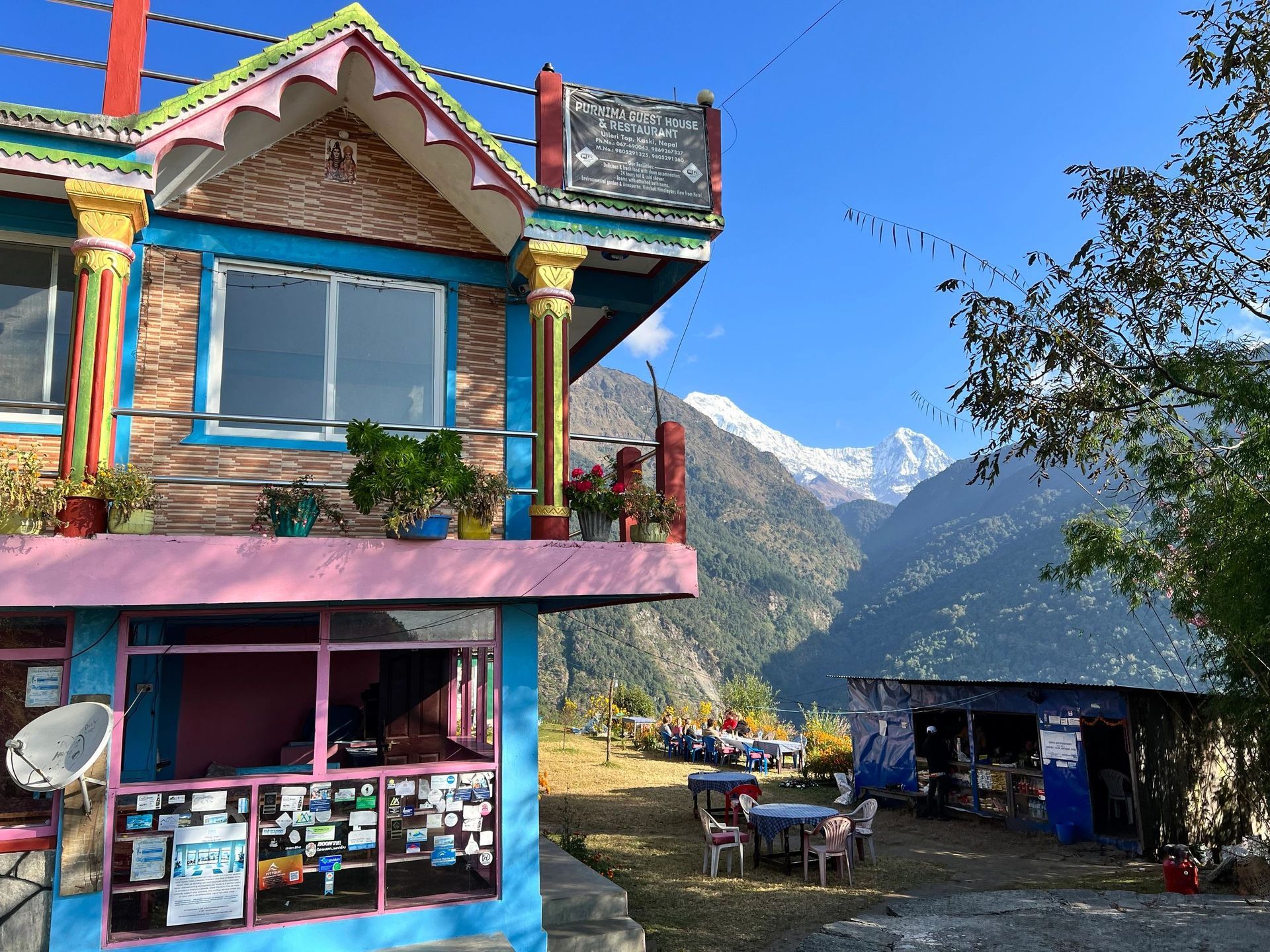
We did a 5-day/4-night Poon Hill and Ghorepani trek out of Pokhara. This trek was rated "easy," and our guide even referred to it as the "Apple Pie" trek. Overall, we had a great time, took lots of pictures, and got a first-hand look and how many local people live in the mountains of Nepal. The highlight was waking up early on the 3rd morning before sunrise to climb to the top of Poon Hill for sunrise. This was the coldest section. Don't forget your winter clothes, including your long underwear, hat, and gloves.
This trek was delightful and an excellent option for most seasoned hikers. The days weren't too long, and while there were challenging sections, we never found it too difficult to press on. Our guide, Raj, was great. Very friendly and very knowledgeable.
As for the sleeping arrangements, the tea houses along the way come equipped with simple dorm-style rooms, with just the basics, down to two beds and a bathroom. Electricity and hot water were hit-and-miss, but that added to the adventure. The staff at the tea houses couldn't have been friendlier about providing as much food as we wanted and extra pillows and blankets. While we aren't big campers, sleeping when you can see your breath was something we look back on and laugh about. Don't forget your body wipes and toilet paper. Otherwise, four nights in the tea houses wasn't too bad and something we'd be comfortable doing again when visiting Nepal.
Food
The food in Nepal is similar to India. Lots of curry-based cuisines, which we enjoyed very much overall. The famous staple dish in Nepal is "Dal Bhat," which consists mainly of rice, lentil soup, and vegetable curry. This is the most memorable meal among the locals as it's wholesome and provides the needed nutrition.
On the advice of our guide and out of an abundance of caution, we ate vegetarian throughout our 5-day trek. Everyone knows their own body best, but if you're prone to a sensitive stomach, the mountains of Nepal are not where you want to have an upset stomach. We did eat chicken, red meat, and fish in Kathmandu without any issues. We didn't opt for any street food, but we enjoyed the restaurants we visited.
Nepal's Major Challenges
Nepal is an impoverished country, towards the very bottom of GDP in the world rankings. The infrastructure - including most buildings and roadways - is old and in inferior repair. The people are extremely friendly towards visitors and are grateful for any visitors they get. While certain areas trekking through the mountains can be awe-inspiring, others are covered in litter, which was discouraging to witness.
Finally, Poor air quality and climate change are significant challenges facing Nepal. The pollution is evident as soon as you arrive and poses the second highest risk factor for death after malnutrition. Although much of the electricity here is generated from clean hydroelectric sources, road traffic and the burning of garbage and biomass are the most significant contributing factors.
Final Thoughts
Nepal is a fascinating country and a must for every serious hiker and trekker. Of course, it's not luxurious, but those looking for an adventure are encouraged to check it out!